Interlinked Incentives: Payment Systems Bridging Slot Play, Table Action, and Sports Wagers with Tiered Benefits
Eden Hayes · Nov 19, 2026
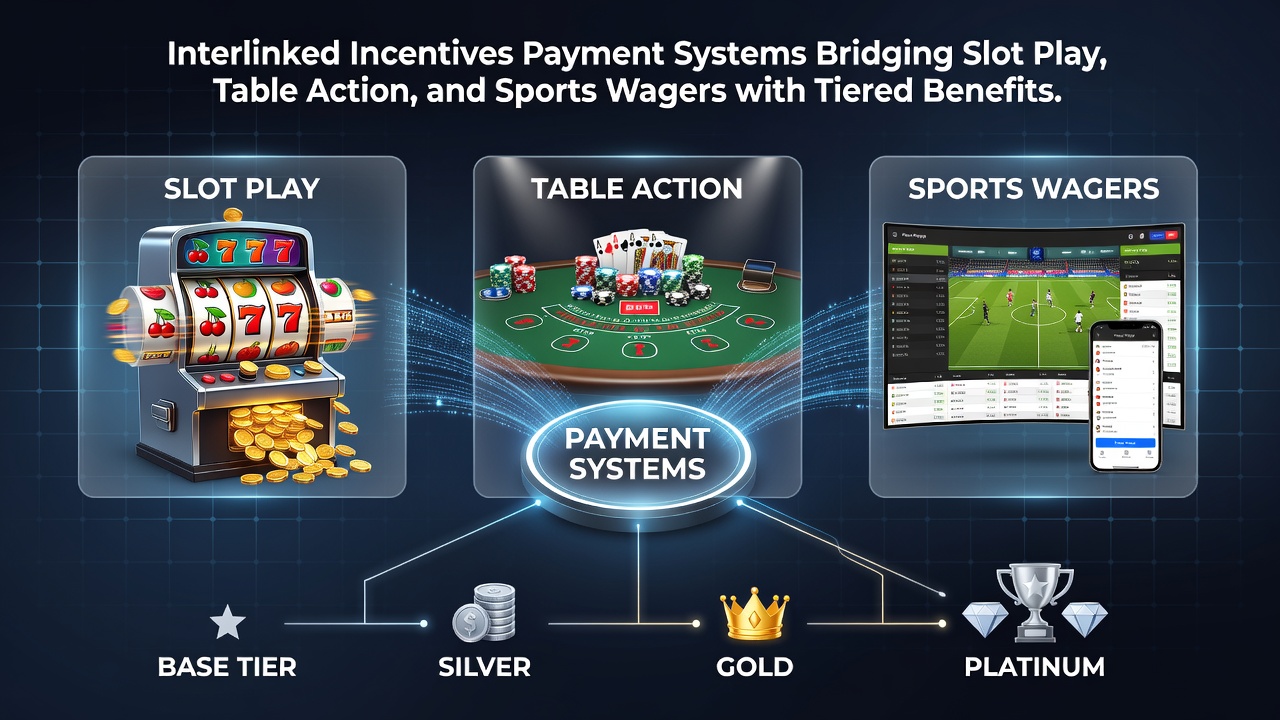
Interlinked Incentives: Payment Systems Bridging Slot Play, Table Action, and Sports Wagers with Tiered Benefits
Payment systems in gaming environments connect slot play with table games and sports wagers by routing transactions through shared loyalty platforms that track activity across formats and apply tiered benefits based on cumulative spend and engagement patterns; observers note that these frameworks emerged as operators expanded digital infrastructure to handle multi-channel participation without requiring separate accounts for each vertical.
Mechanics of Unified Transaction Tracking
Operators deploy centralized ledgers that record deposits and wagers from slots, blackjack tables, roulette wheels, and sportsbooks in a single profile, which then calculates eligibility for cashback percentages, free spins, or enhanced odds using algorithms that weight volume across categories rather than isolating one type of play. Research from academic gaming studies indicates that such integration reduces friction for participants who move between reel-based sessions and live dealer tables within the same session, while data from North American regulatory filings shows increased average session lengths when points accrue toward a unified tier status.
Systems often incorporate real-time APIs that update balances instantly, allowing a wager placed on a football match to contribute toward a higher VIP level that later unlocks table minimum reductions or slot multiplier bonuses; those who monitor industry patterns report that seamless reconciliation prevents the fragmentation that once forced players to maintain parallel accounts.
Tiered Structures and Cross-Format Rewards
Progressive tiers typically begin at entry levels where basic cashback applies equally to slots and sports wagers, then advance to mid and elite brackets that grant access to personalized promotions such as table game rake rebates or parlay insurance on wagers. Figures from industry analyses reveal that participants reaching top tiers receive benefits that scale with total handle rather than isolated game type, creating incentives for diversified activity across reels, felt surfaces, and betting markets.
One documented approach links deposit methods directly to reward multipliers, so that funding via certain processors accelerates point accumulation toward tier upgrades that affect every product line simultaneously. External verification of these mechanics appears in reports issued by the American Gaming Association, which tracks how integrated systems influence participation rates across casino floors and digital sportsbooks.
Role of Payment Channels in Incentive Delivery
E-wallets, bank transfers, and card networks serve as the conduits that feed data into the incentive engine, with transaction metadata determining eligibility windows for tier maintenance and bonus releases. When a deposit processes through an approved channel, the system logs both the amount and the originating game category, ensuring that sports wagers contribute alongside table action toward the same reward pool.
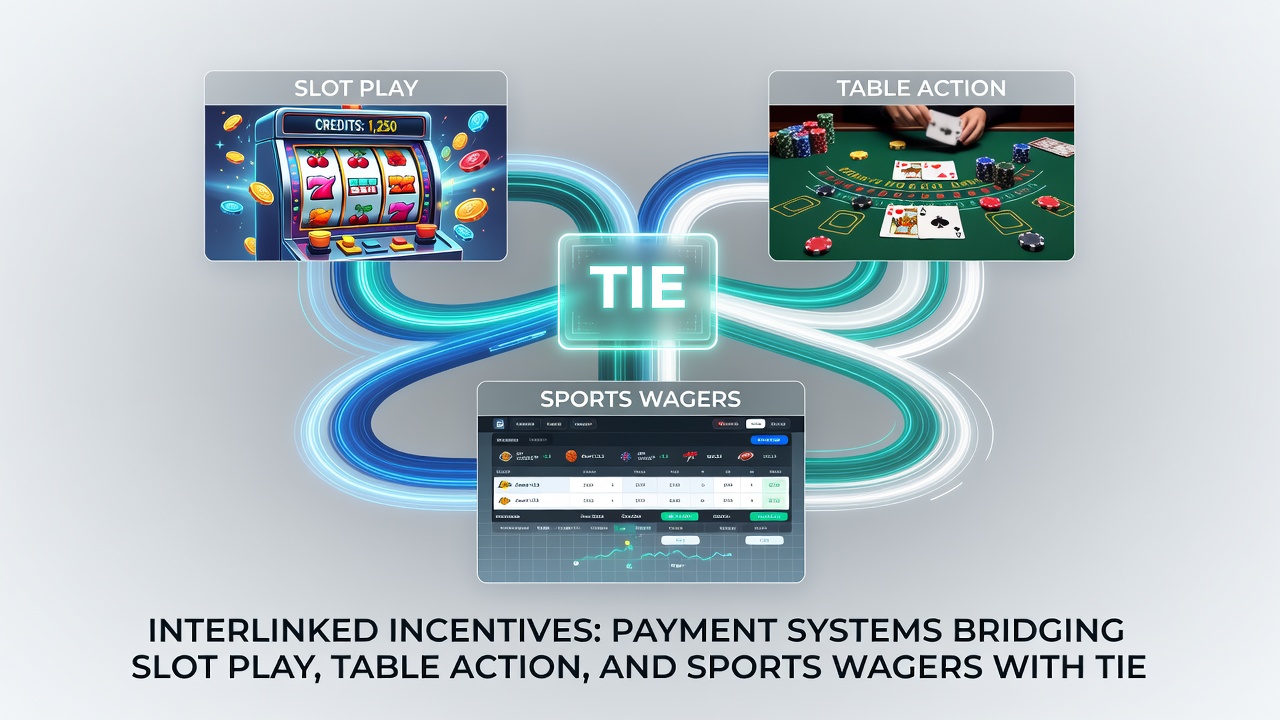
November 2026 updates to several operator platforms introduced enhanced reconciliation features that handle cross-border transactions more efficiently, reducing delays in tier status updates for users who engage with international sports markets and domestic slot libraries in sequence. Observers note that these refinements align with broader shifts toward instant settlement methods that keep reward calculations current without manual intervention.
Operational Examples Across Jurisdictions
Operators in regulated markets demonstrate the model by awarding loyalty points for a combined handle that includes video slot spins, poker tournament entries, and live sports bets, with tier thresholds reset on quarterly cycles to maintain engagement momentum. Studies compiled by the Australian Gambling Research Centre document how such unified tracking correlates with higher retention metrics when benefits flow automatically across product categories rather than requiring separate opt-ins.
Case examples include platforms where a single deposit triggers simultaneous credit to slot balances and sports wallet sections, while accumulated activity pushes the account into a tier that automatically applies table game comps during subsequent visits. Those who analyze transaction flows find that payment processor partnerships often determine the speed at which these layered incentives activate, particularly when promotions tie directly to verified funding events.
Conclusion
Integrated payment and loyalty architectures continue to evolve as operators refine the connections between slot engagement, table participation, and sports wagering through tiered mechanisms that reward total activity volume. Data gathered across multiple regulatory environments demonstrates consistent patterns of cross-format migration when unified tracking systems operate without artificial barriers between verticals. Future refinements will likely focus on further reducing latency between transaction events and reward application while maintaining compliance standards across regions.