Interconnected Reward Mechanisms Connecting Transaction Methods, Support Channels, and Bonus Structures in Portable Gaming Devices, Table Games, and Sports Wagers
Otto Griffin · Oct 8, 2026
Interconnected Reward Mechanisms Connecting Transaction Methods, Support Channels, and Bonus Structures in Portable Gaming Devices, Table Games, and Sports Wagers
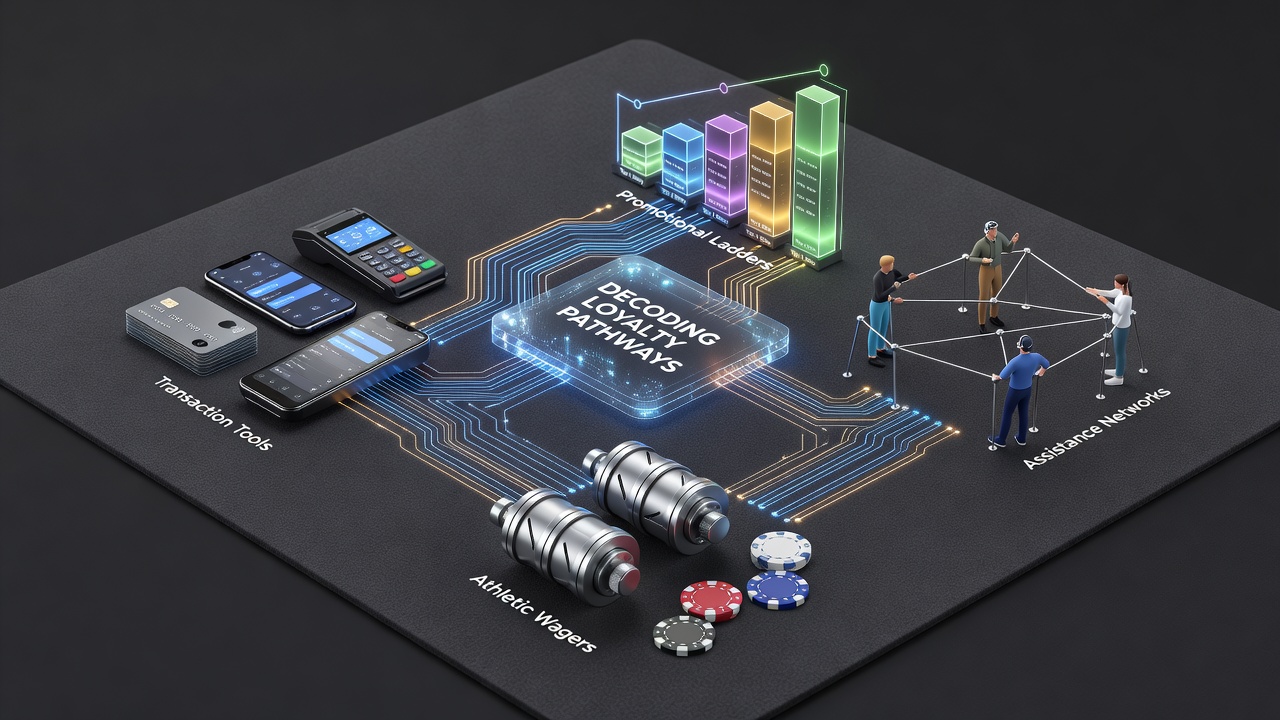
Transaction tools and assistance networks form the backbone of promotional ladders that operate across mobile slots, table games, and sports wagers, creating unified loyalty systems that track activity from deposits through gameplay and customer interactions. Operators design these pathways so that payment methods such as e-wallets and bank transfers feed directly into reward accumulation, while support teams resolve issues that might otherwise interrupt progress toward higher tiers. Data from the American Gaming Association indicates that integrated loyalty platforms now process billions of player actions monthly, linking real-time transaction records with tier advancement rules that apply uniformly whether users spin reels on phones, play cards on felt surfaces, or place wagers on athletic events.
Payment Systems as Entry Points to Reward Accumulation
Financial transaction tools serve as the initial gateway because every deposit registers activity that loyalty algorithms convert into points or credits. E-wallet services and instant bank transfers update player profiles immediately, allowing the same metrics to apply whether funds move to mobile slot sessions, table game tables, or sports betting markets. Researchers at the University of Nevada, Reno have documented how these systems synchronize across devices, so a single deposit on a smartphone contributes to the same promotional ladder used for live dealer tables and in-play sports wagers. When payment delays occur, the interruption affects tier progress equally across all verticals, which explains why operators route transaction confirmations through centralized databases that feed loyalty engines without differentiation by game type.
Support Networks Maintaining Continuity in Tier Advancement
Assistance channels keep promotional pathways operational by addressing glitches that could otherwise stall reward progress. Customer service teams handle queries about bonus eligibility, payment confirmations, and device compatibility, ensuring that issues on portable reels do not disconnect users from the same ladder applied to felt surfaces and athletic betting. Reports compiled by the European Gaming and Betting Association show that support interactions often include verification steps that retroactively credit points once resolved, maintaining consistency across mobile, table, and sports environments. Observers note that these networks operate through shared ticketing systems, so a resolution for a mobile deposit problem automatically updates records used for table game promotions and sports wager bonuses, preventing fragmented tier status.
Unified Promotional Ladders Spanning Game Categories
Promotional structures advance players through levels based on combined activity rather than isolated game performance, which means wagering on sports events contributes to the same thresholds as spins on mobile slots or hands at table games. Operators apply multipliers and cashback rates that scale with tier, drawing from a single activity ledger that aggregates data from all three domains. In October 2026, industry analyses revealed that cross-category tracking now accounts for over 70 percent of loyalty program implementations, allowing users who shift between portable devices, physical tables, and betting markets to retain continuous progress. This integration relies on backend rules that treat each transaction and wager as equivalent input, regardless of whether the interface involves reels, cards, or live odds.
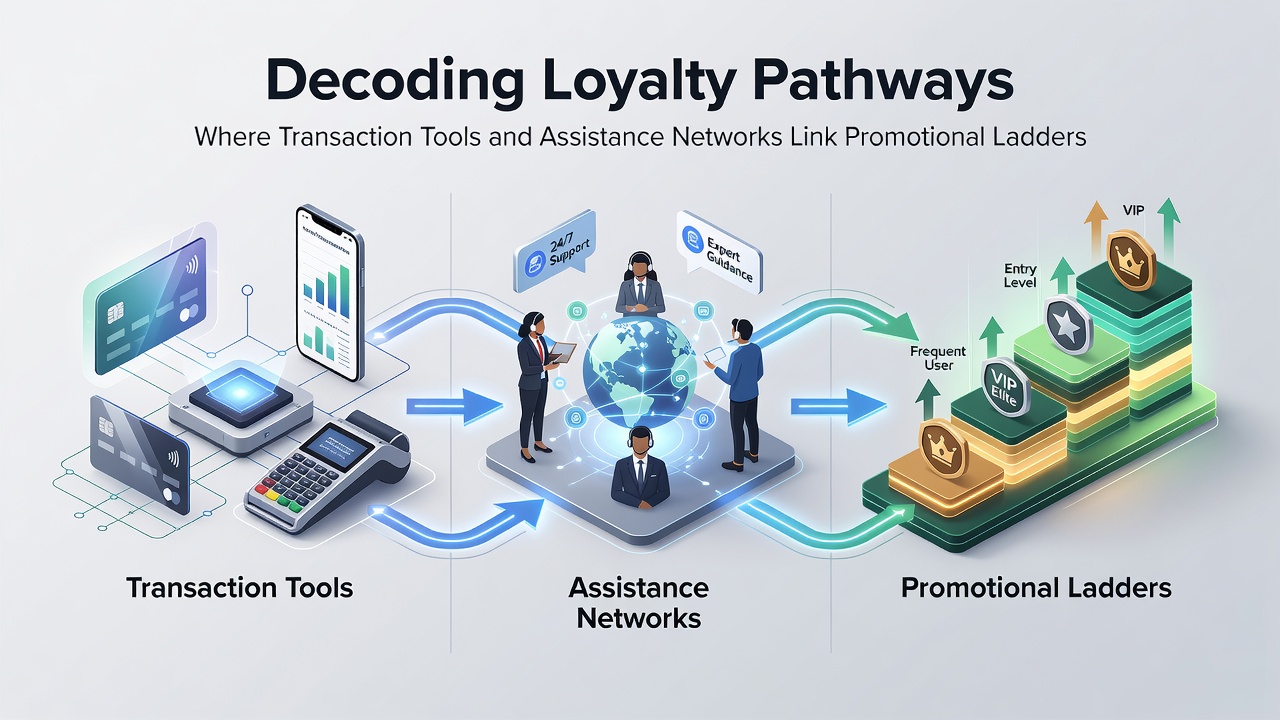
Examples from major platforms demonstrate how a player completing a sports wager can unlock table game cashback that also applies to subsequent mobile slot sessions. The mechanics remain consistent because algorithms normalize activity into standardized points before assigning tier benefits. Those who have examined these systems find that the same assistance protocols used for payment verification also support queries about tier resets or bonus conversions, closing loops that span all three categories.
Technical Integration Across Platforms and Devices
Backend platforms synchronize loyalty data in real time, pulling from transaction processors and support logs to update promotional status without manual intervention. This architecture ensures that activity on athletic wagers registers alongside portable reel sessions and table game rounds within the same dashboard. Technical standards adopted by operators allow seamless handoff between mobile interfaces and desktop environments, preserving the continuity of reward ladders. Data indicates that such synchronization reduces discrepancies in tier calculations, particularly when users alternate between game types during a single session or across multiple days.
Conclusion
The pathways that connect transaction tools, assistance networks, and promotional structures create cohesive loyalty frameworks that operate uniformly across mobile slots, table games, and sports wagers. Centralized tracking and support resolution maintain continuity so that activity in one area advances standing applicable to all others. Industry reports and academic studies confirm that these integrated systems rely on standardized data flows rather than category-specific rules, producing consistent outcomes for users who engage across the full range of platforms.