Charting Links Between Swift Payout Systems and Layered Reward Structures in Live Dealer Sessions Plus Sports Wagering
Olivia Richter · Nov 5, 2026
Charting Links Between Swift Payout Systems and Layered Reward Structures in Live Dealer Sessions Plus Sports Wagering
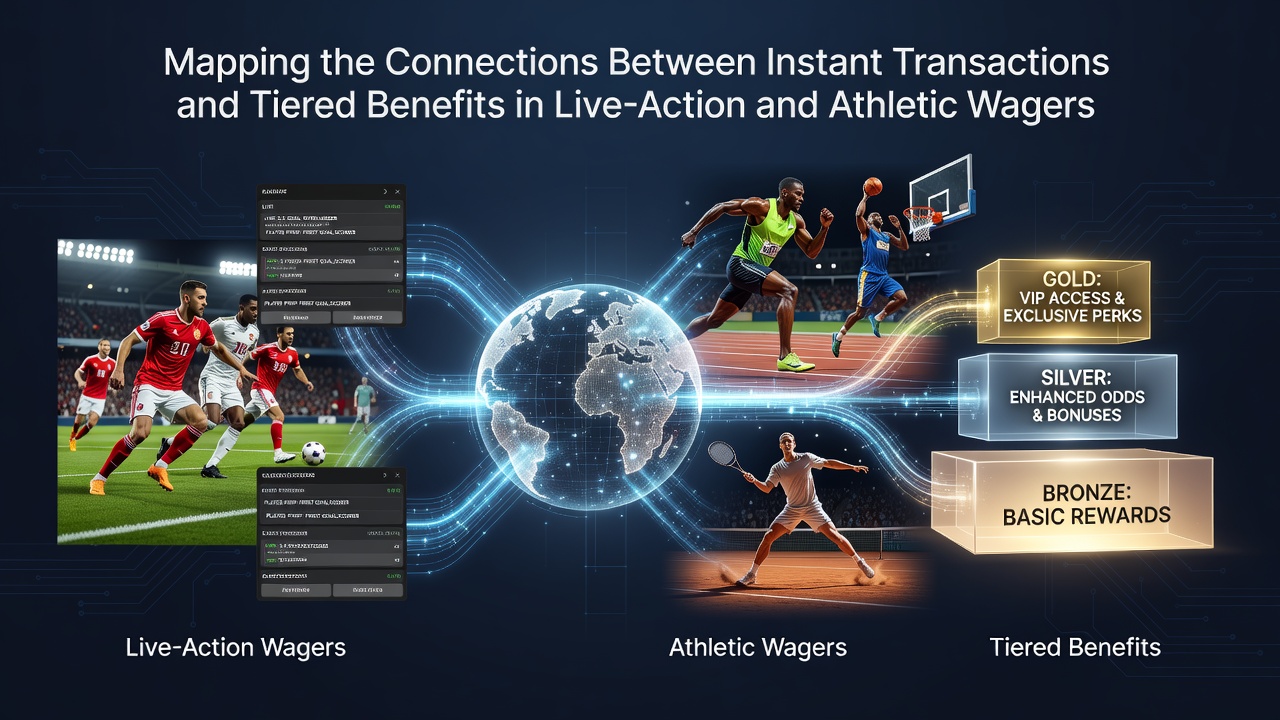
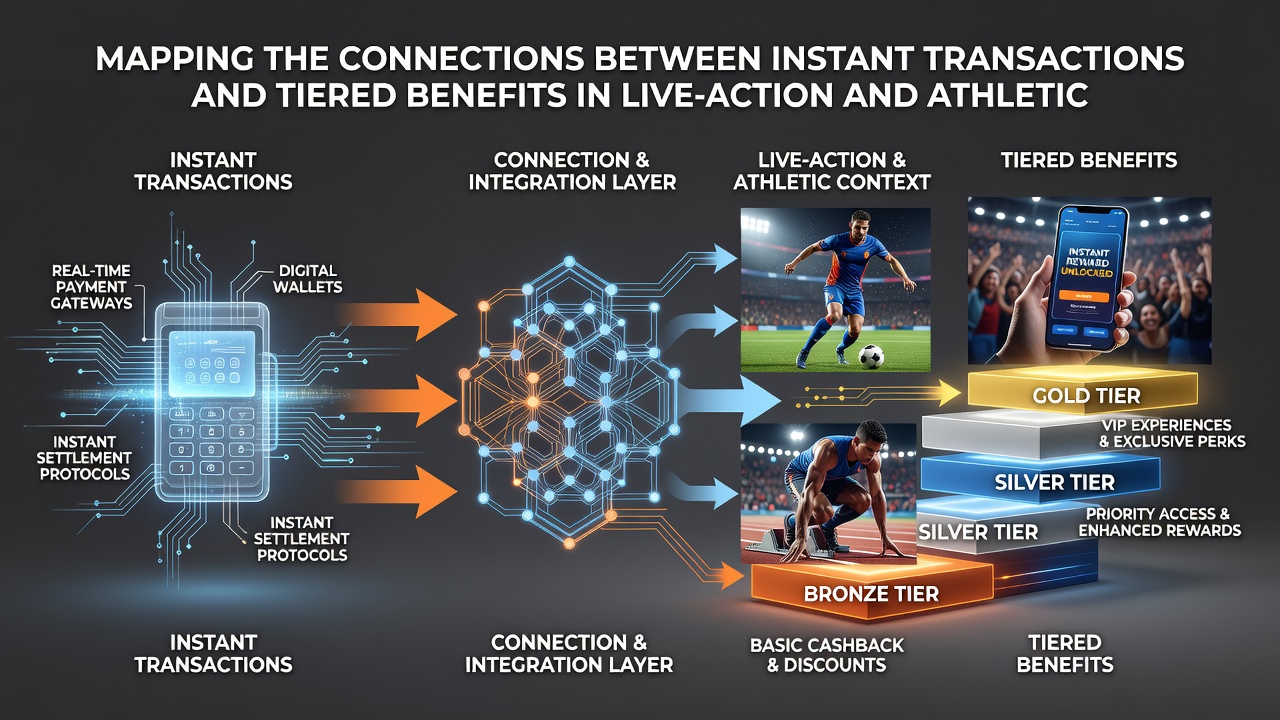
Payment technologies have evolved alongside gaming platforms, and observers note that instant transaction methods now intersect directly with tiered benefit programs in live dealer environments along with athletic wagering markets. Data from multiple regions shows e-wallets and digital currencies accelerate deposit and withdrawal cycles, which in turn feed into loyalty calculations that determine access to higher reward brackets. Researchers tracking these patterns point to volume thresholds and speed metrics as key variables that platforms use to assign users to successive tiers, where benefits range from enhanced cashback percentages to personalized event access.
Mechanics of Instant Transfers in Live Action Settings
Live dealer tables require continuous funding for extended sessions, and platforms integrate real-time processing to maintain momentum across roulette wheels, blackjack felt, and baccarat layouts. Studies from the University of Nevada Reno Gaming Innovation Lab indicate that average deposit confirmation times dropped below thirty seconds on supported networks during 2025 testing cycles, allowing players to replenish balances mid-hand without interruption. This speed feeds directly into activity logs that loyalty algorithms monitor, so participants who execute frequent instant transfers often accumulate the points or credits needed for tier advancement more rapidly than those relying on traditional bank wires.
Observers have documented cases where live action operators adjust tier qualification windows based on transaction velocity, meaning a user completing multiple crypto cashouts within a single evening might cross into an elevated bracket that unlocks dedicated dealer tables or accelerated bonus releases. Such connections appear in operational reports where platforms correlate payment method usage with retention metrics, and the patterns hold across European and North American markets alike.
Integration Patterns in Athletic Wagering Platforms
Sports betting interfaces rely on similar instant rails for pre-match deposits and in-play adjustments, while tiered programs reward consistent volume and speed. Figures released by the American Gaming Association reveal that operators offering same-minute e-wallet settlements recorded a twenty-two percent higher average tier migration rate among active accounts compared with slower processors during the 2025 season. These migrations unlock escalating benefits such as reduced juice rates on select leagues, priority odds boosts, and invitations to exclusive promotional pools tied to major events.
What's interesting here is how athletic wagering systems log transaction timestamps alongside stake amounts, creating composite scores that determine whether a bettor qualifies for diamond-level or platinum-level status. Platforms then deploy automated triggers that release tier benefits immediately upon threshold achievement, bypassing manual review periods common in older systems. This linkage proves especially relevant during peak periods like November 2026 championship cycles, when heightened betting traffic amplifies the visibility of these automated reward pathways.
Shared Data Frameworks Across Both Vertical Markets
Many operators run unified backend systems that pool transaction data from live dealer rooms and sports books, allowing a single loyalty profile to draw from activity in both areas. Reports compiled by the Canadian Centre for Gaming Research highlight that cross-vertical tracking produces more granular tier assignments, since instant transfers in one category can offset slower activity in another. Users therefore experience accelerated progression when they alternate between live streams and sports markets within the same account session.
Evidence suggests regulatory bodies outside the UK, including those in Australia and several US states, now require operators to disclose how payment speed influences reward eligibility, which has prompted clearer public documentation of these algorithms. One documented approach involves weighting recent instant transfers more heavily than historical totals, thereby encouraging ongoing use of fast methods to maintain tier standing.
Examples from Operational Deployments
Take one large European operator that implemented blockchain-based instant settlements across its live casino and sports verticals in late 2025; internal metrics showed a measurable uptick in users reaching mid-tier status within their first month of activity. Another instance comes from a North American platform where tier benefits such as free live dealer spins and sports parlay insurance became available only after users demonstrated consistent instant withdrawal patterns over a rolling thirty-day window. These examples illustrate concrete mappings rather than theoretical connections.
Industry analysts continue to monitor how emerging standards for payment verification might further tighten or loosen these linkages, particularly as new digital currency protocols gain traction heading into 2026.
Conclusion
Transaction speed and tiered benefit structures operate as interdependent components within contemporary live action and athletic wagering ecosystems. Available data indicates that platforms leverage instant processing records to calibrate loyalty progression, producing measurable differences in benefit access across user segments. Continued observation of these patterns will depend on forthcoming reports from research institutions and regulatory agencies tracking fintech integration in gambling environments.